







Search Results for: cup washing machines

Starbucks introduces another eco-friendly initiative: deposit cups paired with dedicated washing machines, allowing customers to wash and take them away themselves.
Starbucks has been exploring ways to reduce single-use cup usage in recent years, from deposit cups in the South Korean market to cup borrowing programs in Europe and the US, but none have achieved the expected results. Now Starbucks has launched Plan C—introducing dedicated cup-washing machines in stores, where customers can wash their cups themselves after finishing their coffee and take them away, though a deposit is still required. The program will first be tested at Arizona State University and select stores in Hawaii. Meanwhile, Starbucks mainland China has fully switched to paper straws and sippy lids, reducing approximately 200 tons of plastic annually. Whether the environmental path can meet its 2025 targets remains to be seen. [more…]
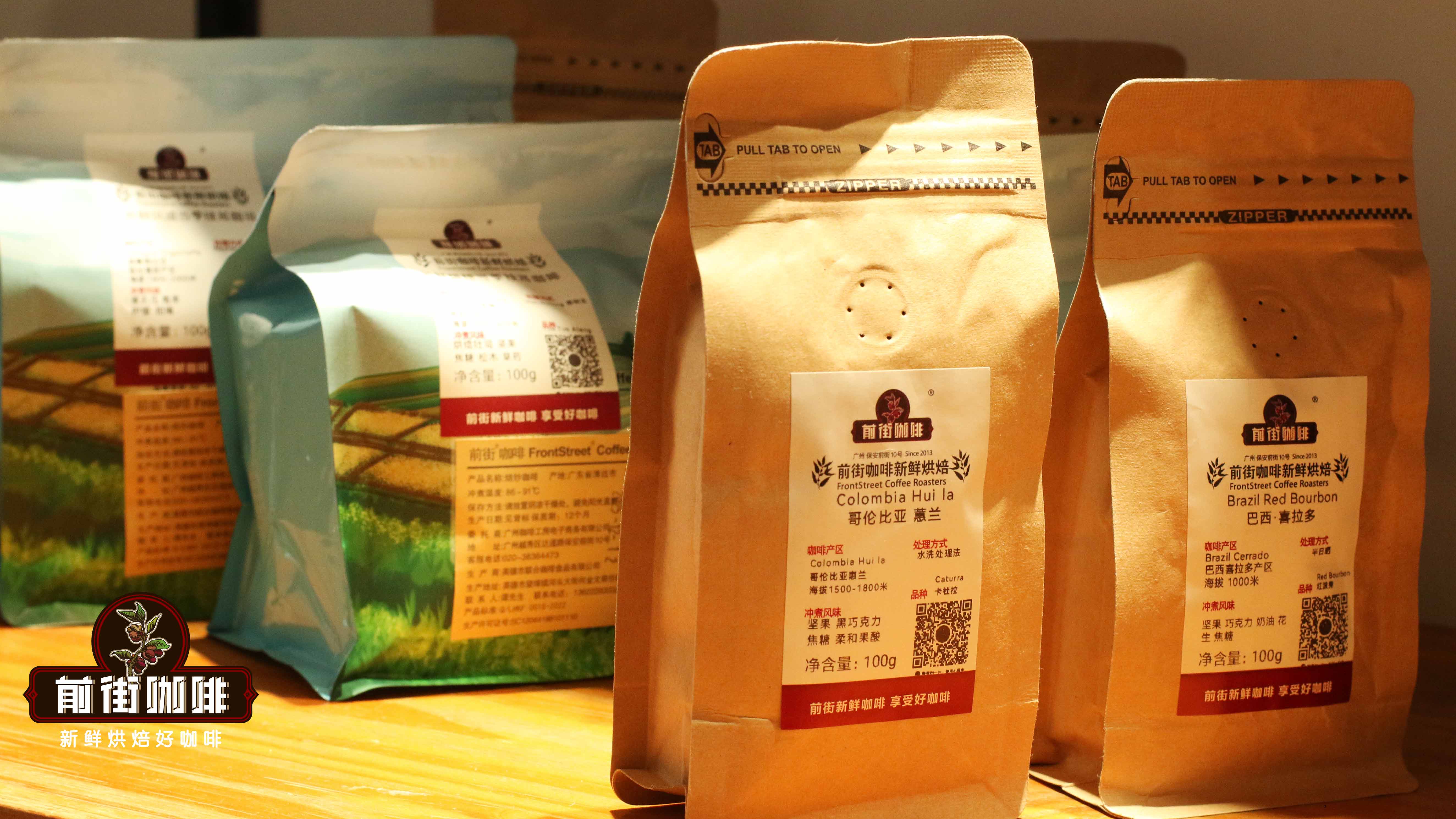
An Analysis of the Differences Between Pour-Over and Espresso Machines: Hand-Grinding Coffee Bean Varieties, Features, and Front Street Brand Recommendations
What are the differences between hand-ground coffee and espresso machines in terms of extraction principles and taste performance? Espresso relies on high pressure for rapid extraction, with rich crema and intense flavor; pour-over, on the other hand, uses immersion and drip filtration to highlight the flavor layers of the coffee beans themselves. Starting from the representative methods of machine coffee and hand-ground coffee, this article compares the core differences between the two, and focuses on introducing three Front Street single-origin beans suitable for pour-over — washed Yirgacheffe, Costa Rica Tarrazú, and Indonesia Lintong Mandheling — covering their origin backgrounds, processing method characteristics, as well as Front Street's brewing parameters and flavor descriptions, to help coffee lovers find coffee beans suitable for hand grinding. [more…]
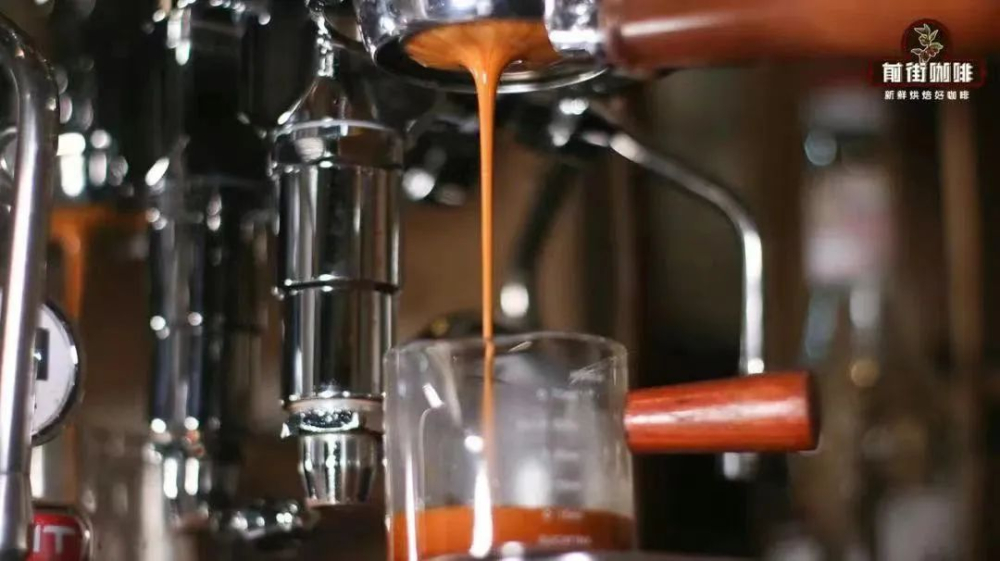
Espresso Crema | Why Is the Crema from Your Coffee Machine Too Thin? What Factors Affect Espresso Crema?
When the espresso machine is extracting a shot, the process of crema seeping out has always been a heartwarming sight. Especially after finishing the pour, seeing that thick golden foam—latte art enthusiasts can't be happier. But if one day you notice that the crema coming out is sparse, thin, or even nonexistent, then the problem is very likely [more…]
An Analysis of the Three Major Coffee Green Bean Processing Methods: Flavor Differences and Suitable Applications of Natural, Washed, and Honey Processing
The seeds inside the coffee fruit must undergo processing before they can be stored long-term and used for roasting. Different processing methods—natural (dry), washed, and semi-washed (honey)—give coffee beans vastly different flavor profiles and quality characteristics. The natural method delivers sweet, full-bodied coffee but with greater quality inconsistency; the washed method presents clear, bright fruity acidity but is prone to fermentation defects; the honey method falls somewhere in between, sweet and balanced with rich crema. Understanding the principles and pros and cons of these processing methods can help coffee enthusiasts choose beans that suit their taste preferences. Front Street Coffee recommends a range of specialty beans processed in different ways for enthusiasts to compare and taste. [more…]
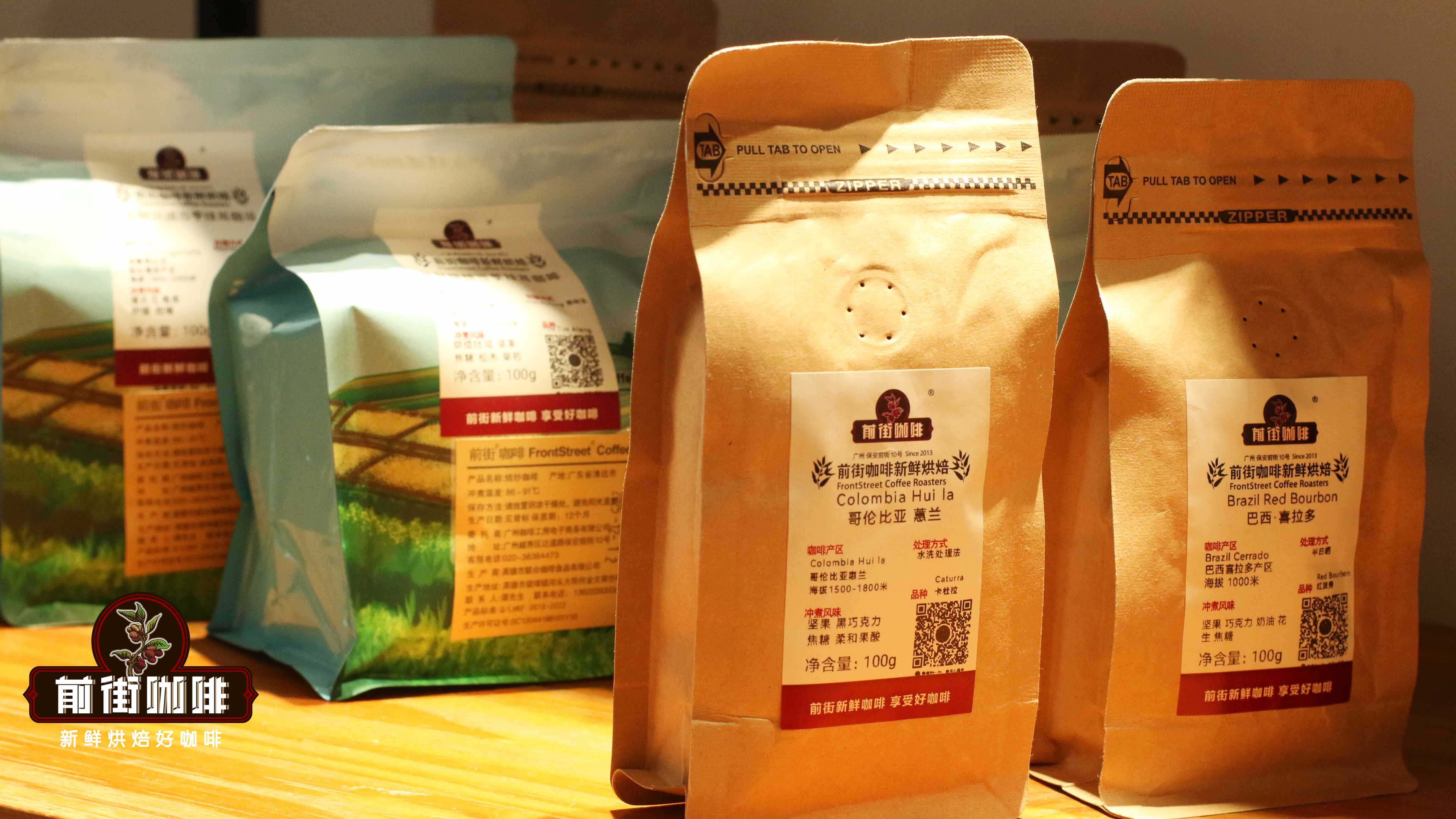
Pour-Over vs. Espresso | What's the Difference Between Hand-Ground Coffee and Machine Coffee? What Types of Hand-Ground Coffee Beans Are There? Recommendations for High-Value Light, Medium, and Dark Roast Pour-Over Beans
What is the difference between hand-ground coffee and machine coffee? We'll take the most common espresso machine as the representative of machine coffee, while hand-ground coffee is most commonly used to make pour-over coffee. Today, Front Street will compare the differences between the two and also recommend the types of coffee beans suitable for hand grinding. Machine [more…]
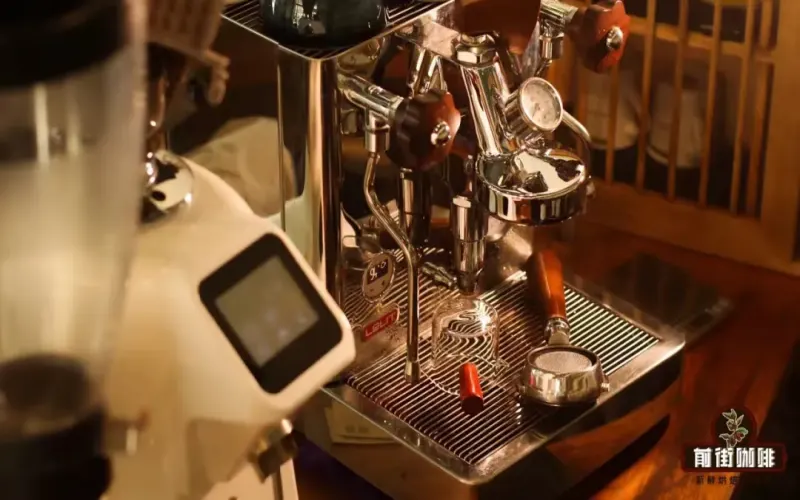
Recommended Brands of Espresso Beans | Which coffee beans are suitable for extracting espresso with a semi-automatic espresso machine? How do you tell whether an espresso has been extracted successfully?
For more specialty coffee knowledge, please follow our WeChat public account: Front Street Coffee (FrontStreet Coffee). In principle, Italian steam espresso machines are suitable for all coffee beans, but espresso places great emphasis on the roast level. Unlike pour-over coffee, where beans of any roast level can be [more…]

A Complete Guide to Espresso: Definition, Extraction Principles, and a Practical Guide to Front Street Coffee Machines
Espresso is the foundational core of the Italian coffee system and the soul of common drinks such as Americano, latte, and mocha. From the perspective of Front Street Coffee, this article systematically explains the definition and meaning of Espresso, outlines the four key conditions required to make a standard espresso—high pressure, high temperature, rapid extraction, and fine grinding—and, combining SCA standards with actual in-store production experience, provides a complete process from coffee bean freshness and extraction parameters to operational details. The article also introduces the flavor performance of Front Street Classic Italian Blend, Sunflower Warm Sun Blend, and three cost-effective Italian-style coffee beans, helping coffee lovers consistently make a high-quality Espresso with golden Crema both in-store and at home. [more…]
How to Use the Bialetti Brikka Moka Pot Correctly? A Full Breakdown of Bean Selection and Brewing Details
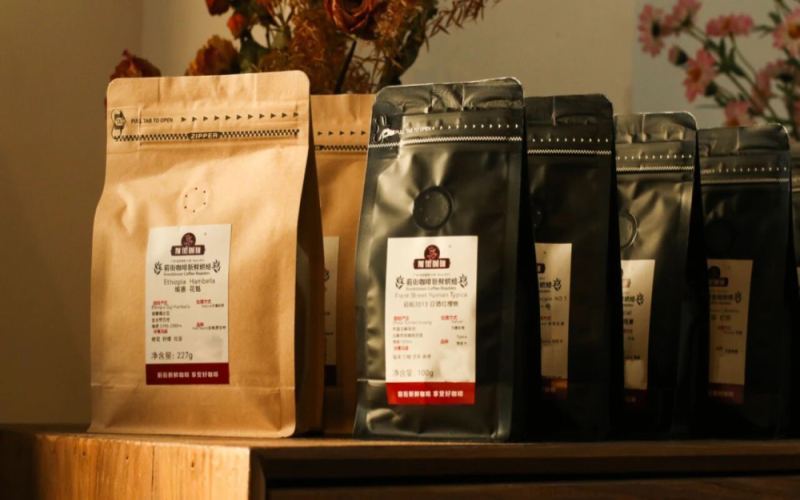
The moka pot is the most commonly used espresso alternative for many households that don't have an espresso machine, and among them, the Bialetti Brikka has drawn considerable attention from coffee enthusiasts thanks to its pressure valve design. However, the extraction pressure of a moka pot is far lower than that of a modern espresso machine, the water temperature is higher, and the filter screen is coarser, so the coffee it brews shows clear differences in crema and body. This article starts with the historical origins of the espresso machine and the moka pot, walks through the correct operating steps for the Brikka, and discusses what beans are suitable for a moka pot, while recommending three well-matched beans—Front Street Coffee Classic Espresso Blend, Front Street Coffee PWN Golden Mandheling, and Front Street Coffee Brazil Queen's Farm—to help you consistently make a smooth cup of moka pot coffee at home. [more…]
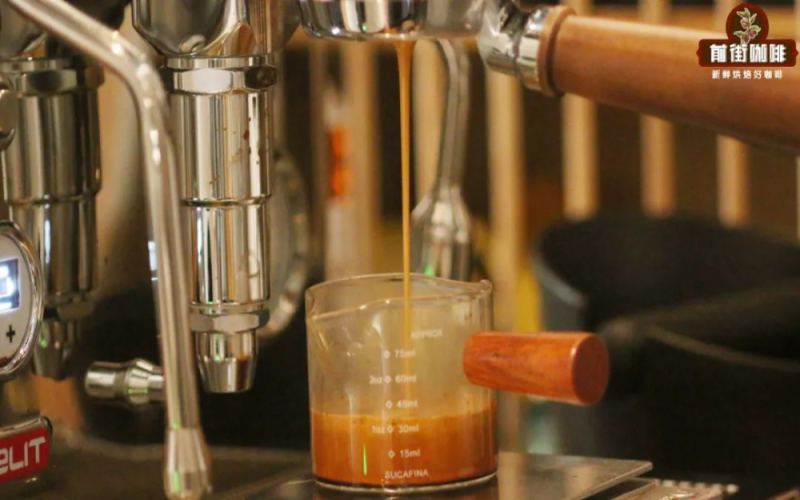
Espresso | What is espresso? How do coffee beginners make espresso? What are the correct ways to drink espresso?
For more specialty coffee knowledge, please follow: Front Street Coffee (Frontsteet Coffee) "How do you drink espresso?" - It has to be downed in one gulp! Don't think this is a joke; espresso really is downed in one gulp! Many friends, when drinking espresso for the first time, might find [more…]
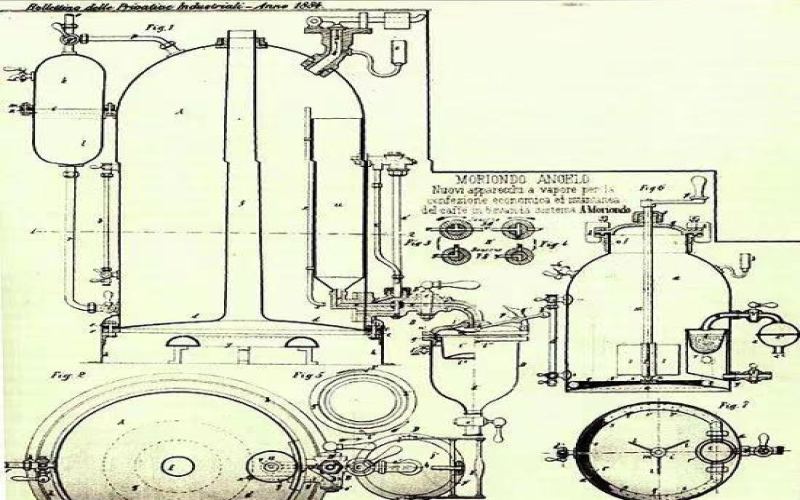
Authentic Italian Espresso Recipe | What Is the Extraction Principle of Italian Espresso? How to Taste Espresso Flavor? Which Coffee Beans Are Suitable for Italian Coffee?
The earliest method of making espresso was born in 1884, when an Italian named Angelo Moriondo designed a patented model of an espresso machine. Initially, the working principle of the espresso machine was based on two separate boilers. [more…]

Pour-Over Coffee vs. Espresso Machine: Extraction Principles, Workflow, and Flavor Comparison
When you go to a coffee shop, you often see both pour-over coffee and espresso on the menu—so what exactly is the difference between the two? From the perspective of Front Street Coffee, this article systematically sorts out the 9-bar pressure extraction process of espresso and the pressure-free free-fall extraction method of pour-over coffee, comparing their respective characteristics and suitable scenarios. It also introduces in detail the three-stage pouring technique for pour-over, and, using Front Street Ethiopia washed Yirgacheffe G2 as an example, provides specific brewing parameters and flavor descriptions, helping beginners build an understanding of regional flavors and find the type of coffee that suits them. [more…]
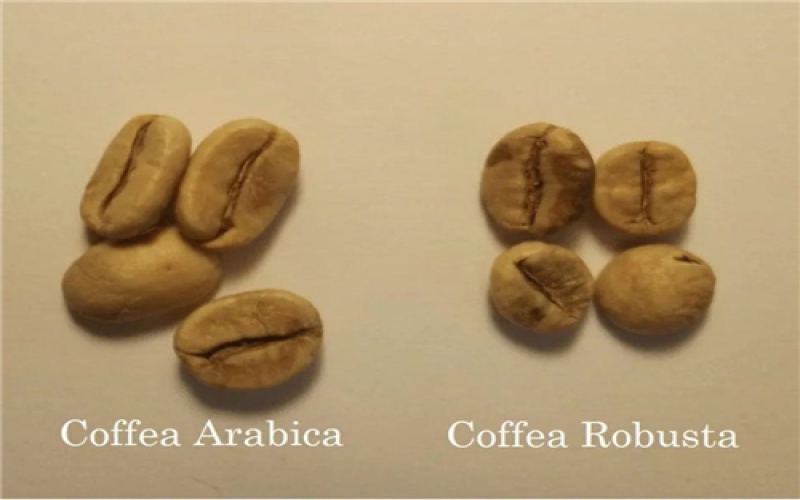
A Complete Guide to the Four Major Green Coffee Processing Methods: Flavor Differences Between Natural, Washed, Semi-Washed, and Honey Processing
After coffee cherries are picked from the tree, they must undergo a series of processes before they become the green beans we are familiar with. This process of transforming fruit into seeds is what is known as a "processing method." Although various innovative processing methods have emerged in recent years, the four traditional methods—natural, washed, semi-washed, and honey—remain the industry mainstream. Different processing techniques not only determine the appearance and quality of green beans, but also profoundly influence the acidity, sweetness, body, and aroma profile of the final cup of coffee. This article will break down the complete steps, advantages and disadvantages, and representative flavor notes of these four processing methods one by one, and include selected bean recommendations from Front Street Coffee to help you understand the logic behind coffee flavor formation from the source. [more…]
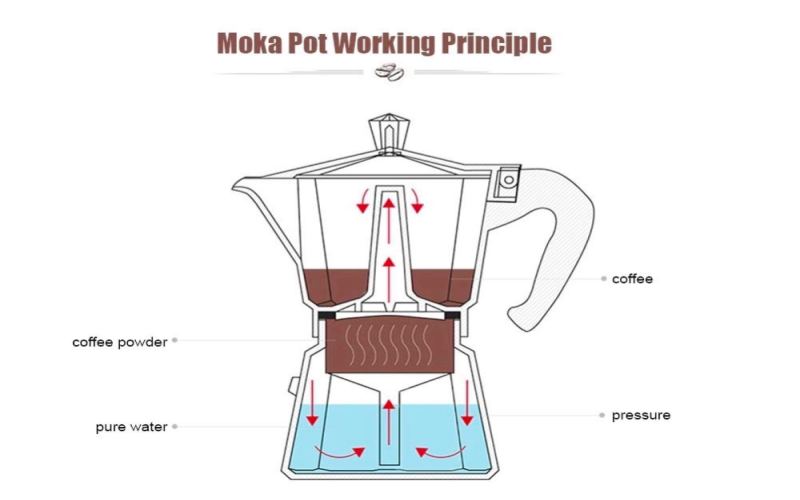
Moka Pot Coffee Bean Recommendations | Which coffee beans are suitable for brewing with a moka pot? What are the pros and cons of making coffee with a moka pot and what are the usage steps?
Espresso is certainly delicious, but not every household has the budget or the space for an espresso machine. So more people have a moka pot at home instead—it's convenient and quick: just fill it with hot water and coffee grounds, put it on a heat source, and wait for the coffee. However, [more…]
Espresso Machine vs. Hand Grinder Comparison: Coffee Bean Types Suitable for Hand Grinding and Brand Flavor Details
Hand-ground coffee and espresso machines are two common ways of making coffee, and they differ in extraction principles, flavor presentation, and suitable bean types. Espresso machines rely on high pressure for rapid extraction, delivering rich crema and intense flavor; pour-over, by contrast, uses hot water soaking and filtration to reveal the finer origin-specific character of coffee beans. In this article, Front Street Coffee provides a detailed comparison of the differences between the two, and recommends several single-origin coffee beans suitable for hand grinding and brewing, including washed Yirgacheffe, Costa Rica Tarrazú, and Indonesia Lintong Mandheling, while also providing specific brewing parameters and techniques to help coffee lovers find a hand-ground coffee solution that suits their taste. [more…]
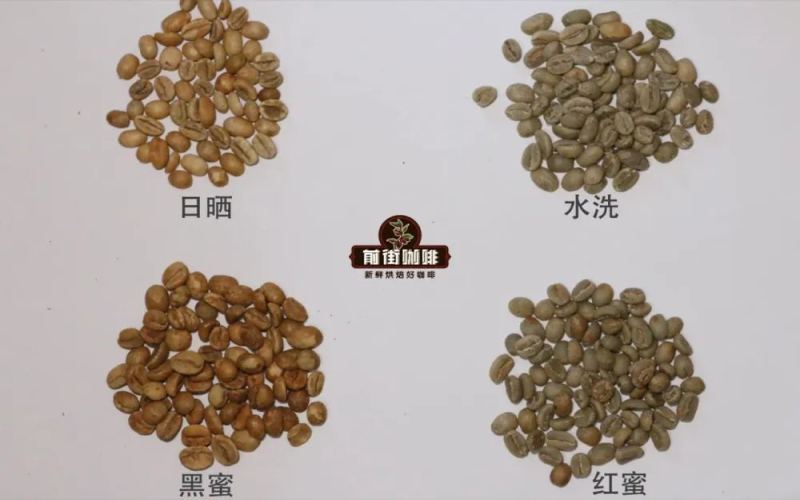
A Complete Guide to the Three Major Coffee Bean Processing Methods: Production Processes and Flavor Differences of Natural, Washed, and Honey Processing
The flavor profile of a cup of coffee is determined not only by variety and roasting, but also decisively by how the green beans are processed. The coffee industry currently groups processing methods into three major categories: natural processing (dry method), washed processing (wet method), and honey processing (semi-dry method). The natural method lets whole coffee cherries dehydrate and dry directly in the sun, giving the beans rich, complex fruity aromas and fermented sweetness; the washed method removes the skin and pulp and involves tank fermentation, producing a clean, bright profile with pronounced acidity; honey processing falls between the two, deliberately retaining some mucilage during drying, creating a distinctive fermented aroma and sweetness. Front Street Coffee will walk through the specific steps, key control points, and flavor outcomes of these three processing methods one by one, helping coffee lovers build a clear framework for understanding processing methods and find the cup that best suits their taste. [more…]
Analysis of Flavor Differences Between Pour-Over Coffee and Espresso Machine Output, with Five Front Street Coffee Everyday Bean Recommendations
Around the question of "Is pour-over coffee really better tasting than coffee from a machine?", Front Street conducted experiments comparing the essential differences between the two in aspects such as pouring method and temperature control. Because pour-over coffee allows flexible adjustment of factors such as water temperature, grind size, and pouring technique, it can customize extraction plans for beans with different roast levels, presenting a fuller and clearer flavor hierarchy; whereas the factory settings of a coffee machine limit this flexibility. The article also introduces brewing parameters corresponding to light roast and medium-dark roast beans, and recommends five classic regional representatives from Front Street's everyday beans series for pour-over enthusiasts to practice and explore. [more…]
A Complete Analysis of the Differences Between Pour-Over and Espresso Machines: Extraction Principles, Operating Procedures, and Flavor Comparison
When ordering at a coffee shop, pour-over coffee and espresso often make it hard to choose. What essential differences actually exist between the two? Is it extraction pressure, operating technique, or the way the final flavor is presented? Front Street Coffee will start from the 9-bar high-pressure extraction of espresso, gradually breaking down the details of distribution, tamping, and extraction, then turn to the pressure-free free-fall extraction of pour-over coffee, explaining in detail the three-stage pouring technique and the skills for judging when to pour again. The article also recommends Front Street washed Yirgacheffe as a beginner bean for enthusiasts who have just come into contact with pour-over, and includes complete brewing parameters and flavor descriptions to help readers build a clear understanding of regional flavors. [more…]
Office Coffee Guide: From Espresso Machines to Drip Bag Pour-Over, How Office Workers Can Drink Healthily and Enjoy the Right Taste
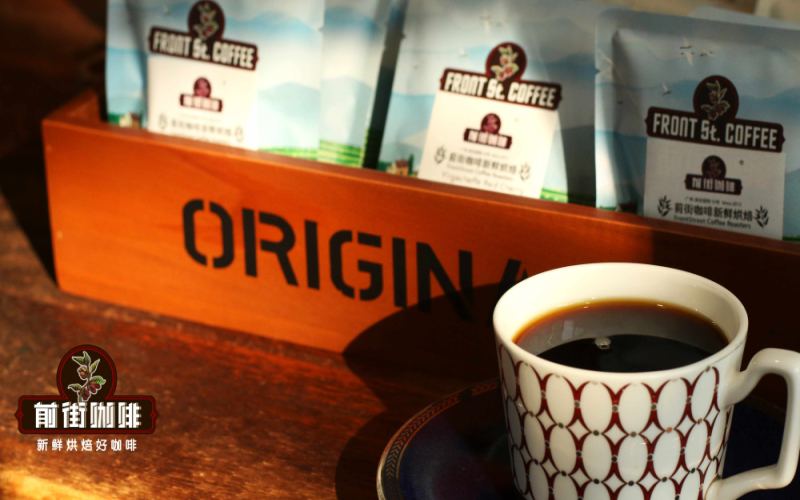
In a fast-paced workplace environment, there are actually several options for enjoying a satisfying cup of coffee at any time. Whether pulling a quick espresso shot with a small espresso machine, relying on capsules or drip bags for a fast fix, or taking a few minutes to brew a pour-over single-origin black coffee, each method has its own finer points. This article focuses on the office setting, sorting out the three mainstream approaches—coffee machines, drip bags, and pour-over—and offers specific suggestions regarding coffee bean freshness, flavor preferences, and value for money. It also draws on Front Street Coffee's espresso blends and a range of drip bag and pour-over beans to help office workers find the cup that suits them under limited conditions, balancing taste and health. [more…]
Sun-Dried, Washed, Semi-Washed, and Honey Processing: A Full Analysis of the Flavor Differences Among Four Pour-Over Coffee Processing Methods
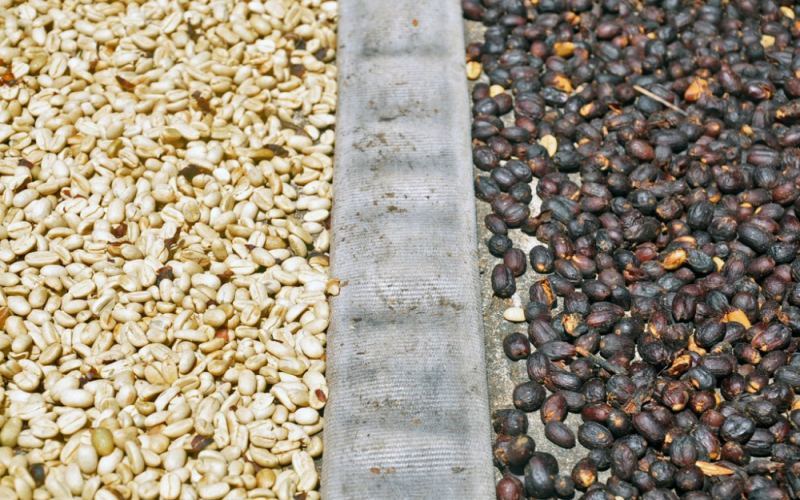
From the branch to the cup, coffee cherries must undergo a series of processing steps, and the different processing methods directly determine the flavor profile of the final coffee beans. The four traditional processing methods—natural, washed, semi-washed, and honey—each exhibit distinctly different characteristics in terms of cost, acidity, sweetness, body, and cleanliness. Starting from the structure of the coffee cherry, this article will break down the complete process, advantages, and disadvantages of each processing method one by one, and pair them with specific bean recommendations from the Front Street Coffee brand, helping coffee enthusiasts build a clear framework for understanding flavor and find the one that best suits their taste in everyday pour-over choices. [more…]
Comparison of the Two Major Coffee Green Bean Processing Methods: Analysis of the Step-by-Step Processes and Flavor Characteristics of the Natural Method and the Washed Method
The processing method of coffee cherries directly affects the flavor expression of green beans, and among these, the natural process and the washed process are the two most representative techniques. The natural process originated in the Arabian region over a thousand years ago, relying on natural drying to allow the fruit to slowly mature internally; the washed process was invented by the Dutch in the 18th century, using fermentation to remove the mucilage layer and thereby improve the bean's cleanliness. The two differ noticeably in operational steps, suitable environments, and final cupping performance, and understanding these differences helps in more accurately selecting and tasting coffee. This article will separately outline the complete processing flows of the natural process and the washed process, and explain the flavor characteristics each brings. [more…]